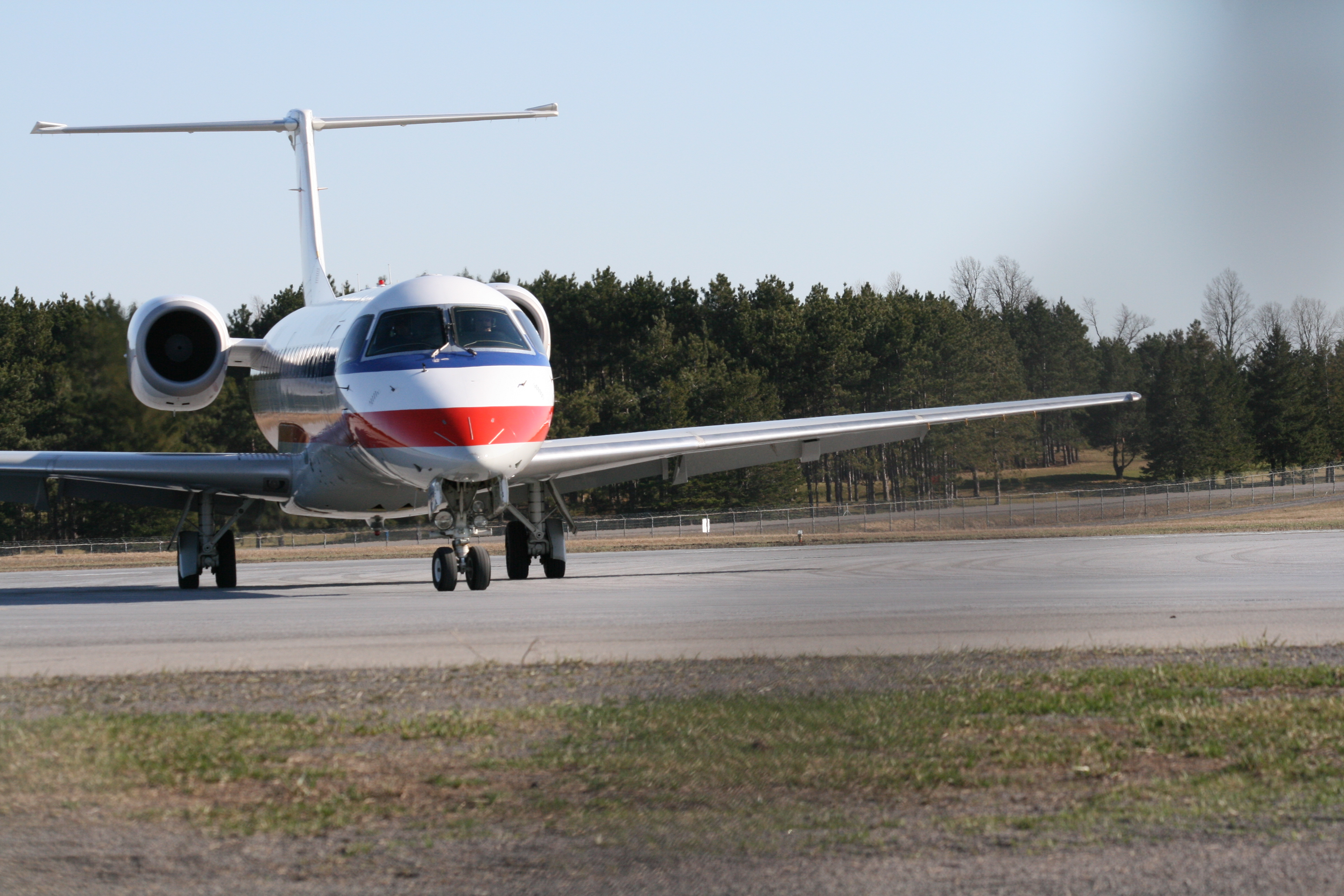
Introduction
In recent years, the private aviation industry has experienced a significant transformation, driven by technological advancements, changing consumer preferences, and the evolving landscape of global travel. This case study explores the rise of private planes, examining their impact on business travel, leisure tourism, and the broader aviation sector. By analyzing key trends, market dynamics, and the experiences of private aviation companies, we aim to understand the factors contributing to the growing popularity of private planes and their implications for the future of air travel.
The Evolution of Private Aviation
Private aviation has a rich history, dating back to the early 20th century when the first private aircraft were introduced. However, it wasn’t until the late 20th century that private aviation began to gain traction as a viable alternative to commercial flights. The advent of business jets in the 1960s and 1970s marked a turning point, allowing corporations to transport executives efficiently and effectively. By the 1980s, the market for private jets had expanded, with more individuals and businesses recognizing the benefits of private travel.

In the 21st century, the private aviation industry has continued to evolve, driven by a combination of technological advancements and changing consumer behavior. The introduction of fractional ownership models, jet card programs, and on-demand charter services has made private flying more accessible to a broader audience. Additionally, the rise of digital platforms has streamlined the booking process, allowing travelers to secure private flights with ease.
Market Dynamics and Trends
The private aviation market is characterized by a diverse range of players, including established manufacturers, charter operators, and emerging technology companies. According to the National Business Aviation Association (NBAA), the global business aviation market was valued at approximately $24.5 billion in 2020, with significant growth expected in the coming years. Several key trends are shaping the industry:
- Increased Demand for Flexibility: Travelers are increasingly seeking flexibility in their travel arrangements. Private planes offer the ability to fly on one’s schedule, avoiding the long lines and delays often associated with commercial air travel.
- Health and Safety Concerns: The COVID-19 pandemic has heightened awareness of health and safety in travel. Private aviation provides a controlled environment, minimizing exposure to large crowds and enhancing passenger safety.
- Sustainability Initiatives: As environmental concerns grow, the private aviation industry is exploring sustainable practices. This includes investing in more fuel-efficient aircraft, exploring alternative fuels, and implementing carbon offset programs.
- Technological Advancements: Innovations in aircraft design, navigation systems, and in-flight services have enhanced the overall experience of private flying. The integration of digital platforms for booking and managing flights has also simplified the process for users.
Case Study: NetJets
One of the leading players in the private aviation industry is NetJets, a subsidiary of Berkshire Hathaway. Founded in 1964, NetJets pioneered the concept of fractional ownership, allowing individuals and businesses to purchase shares in aircraft rather than owning an entire plane. This model has proven to be highly successful, with NetJets boasting a fleet of over 750 aircraft and serving thousands of customers worldwide.
Business Model
NetJets operates on a fractional ownership model, where customers can buy a share of an aircraft and gain access to a specific number of flight hours per year. This model offers several advantages:
- Cost-Effective: Fractional ownership significantly reduces the costs associated with owning a private jet outright, including maintenance, storage, and insurance.
- Flexibility: Owners can choose from a diverse fleet of aircraft, allowing them to select the best option for their specific travel needs.
- Access to Global Networks: NetJets provides access to a vast network of airports, enabling customers to reach destinations that may not be accessible via commercial airlines.
Customer Experience
NetJets places a strong emphasis on customer service, offering personalized experiences tailored to individual preferences. From gourmet catering to bespoke in-flight entertainment, every aspect of the journey is designed to meet the expectations of discerning travelers. The company also prioritizes safety, with rigorous maintenance protocols and a focus on training for pilots and crew members.
The Future of Private Aviation
As the private aviation industry continues to evolve, several factors will influence its future trajectory. The growing demand for personalized travel experiences, coupled with advancements in technology, is likely to drive further innovation in the sector. Additionally, the emphasis on sustainability will push companies to adopt greener practices, ensuring that private aviation remains a viable option in a world increasingly focused on environmental responsibility.
Challenges Ahead
Despite the promising outlook for private aviation, the industry faces several challenges. Regulatory hurdles, fluctuating fuel prices, and competition from alternative modes of transportation, such as high-speed rail, could impact growth. Additionally, the perception of private aviation as an exclusive luxury may hinder broader acceptance among travelers.
Conclusion
The rise of private aviation represents a significant shift in the way people approach travel. With its emphasis on flexibility, safety, and personalized experiences, private planes have emerged as a compelling alternative to commercial flights. Companies like NetJets have successfully capitalized on this trend, offering innovative solutions that cater to the needs of modern travelers. If you liked this post and you would certainly such as to get more facts relating to private plane rental (simply click the up coming site) kindly see our web-site. As the industry continues to evolve, it will be essential for stakeholders to address challenges and embrace opportunities to ensure the long-term sustainability of private aviation.
In summary, the private aviation sector is poised for continued growth, driven by changing consumer preferences, technological advancements, and an increasing focus on safety and sustainability. The future of air travel may very well be shaped by the innovations and practices developed within the private aviation industry.