
Cold snaps strike fast, and hidden heater issues can snowball when demand spikes. Home comfort depends on even airflow, safe fuel handling, and accurate electrical connections. If your house clicks when the blower starts, or a room stays oddly cold, act before the next freeze hits. A clear plan, a right-sized parts list, and a simple timeline reduce stress. Catch problems early to protect your wallet and your family. Ask techs about combustion checks, heat exchanger views, and clean venting. Look for a step-by-step process with temperature rise targets and documented results. If you’re searching for hvac near me, pick teams that track readings before and after the repair and share them plainly. That kind of transparency builds trust, especially when nights get longer and your system has to carry the load.
Map peak-cold needs and scope ahead of any work
Start with a short list: zone-by-zone comfort notes, startup noises, and recent changes in smell. We also note filter age and breaker trips heater repair galveston then capture thermostat settings and any error codes. This simple prep shrinks delays. Snap photos of the furnace label, vent routing, and any soot near the exhaust. Quick labels help everyone stay aligned.
Now set targets for supply air warmth and response time. A written target keeps choices focused. For a split-level layout, note if upstairs overheats while the first floor chills. Mark those observations in a shared checklist, and highlight safety items like gas odor or loose wires. Clear scope equals fewer callbacks.
Choose components and inputs that match your make right
Start with filters, belts, and listed igniters that meet your system’s ratings. Many homes benefit from a MERV 8–11 filter heater repair galveston then a sealed cabinet to stop dusty bypass air. Right parts save fuel and noise. If the inducer motor whines, spec the amps and pressure before you buy. Skipping checks risks repeat trips.
For gas furnaces, verify inlet pressure and outlet settings with a recently checked gauge. Numbers matter more than hunches. On heat pumps, confirm the mass by superheat, not by touch alone. Match capacitor µF to the plate and lock wiring with proper connectors. Tiny errors turn into noisy nights.
Build a repeatable workflow and schedule to reduce downtime
Set a tight sequence: safety shutoff, visual check, electrical test, airflow measure, then combustion test. Your tech logs pre-fix readings heater repair galveston then follows the same order on every visit for consistency. Consistency speeds training and outcomes. In a studio, do work before opening, so warmup finishes by first shift. Quiet timing prevents complaints.
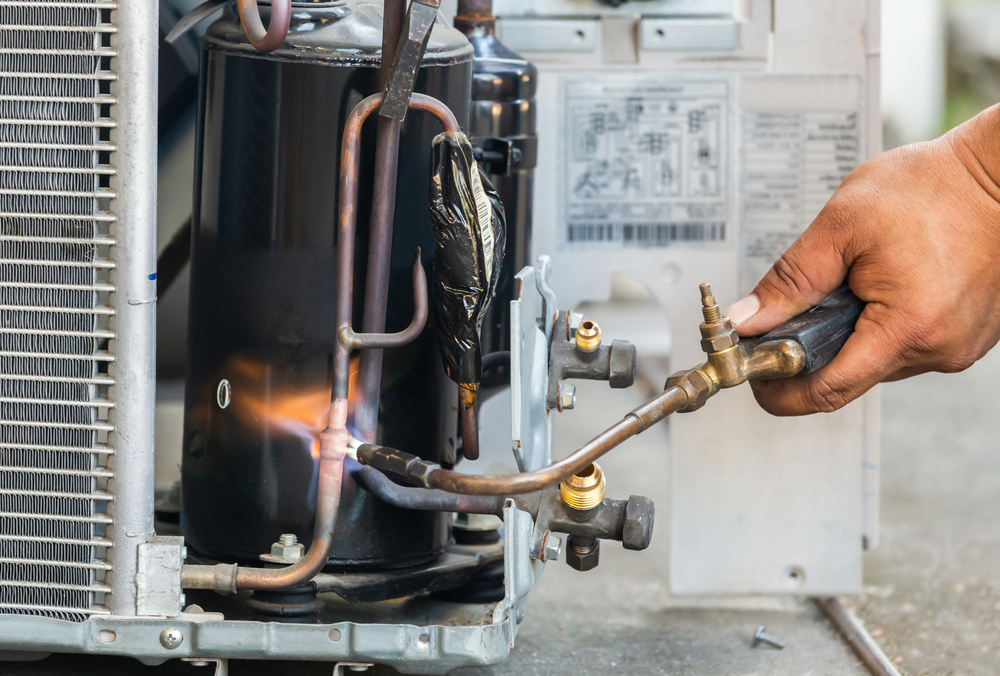
Share the plan with everyone in the space. Clear notes prevent missed steps. If a blower wheel needs cleaning, reserve a tight window and line up a replacement gasket kit. Use a run card so nothing slips when phones ring. Order wins when the forecast drops.
Raise quality and cut risk with tests that show results
Measure static pressure before and after any coil service. The numbers confirm airflow gains heater repair galveston then they guide whether duct sealing is worth it. Data ends debate. Hold a mirror at the draft hood to watch exhaust pull; a backward flow needs attention. Don’t guess with carbon monoxide.
Log ignition cycles, flame sensor readings, and rollout switch behavior. Trends tell the story. If the heat exchanger shows rust tracks or odd light, stop and photograph it. Check the temperature rise against the plate; high is a red flag. Quality happens on paper and on meters.
Keep systems steady with maintenance that extends the lifecycle
Set seasonal tasks: shoulder-season cleanings, mid-winter checks, and spring shut-down steps. A quick coil brush and drain flush heater repair galveston then a fresh filter keep airflow where it belongs. Airflow is the backbone of heat. In a rental duplex, note access times and pets so visits stay smooth. Good notes prevent awkward returns.
Track parts with a labeled box near the unit: screws, seals, and spare fuses. Tiny parts stop big waits. If a thermostat drifts, recalibrate or replace with a trusted model. Rinse outdoor heat pump coils with gentle spray, not a harsh blast. Care today avoids panic tomorrow.

Balance cost with smart trade-offs and future outcomes
Begin with the “keep vs. replace” line: age, parts access, and efficiency. A 15-year-old unit with rising gas bills heater repair galveston then weekly resets is sending a message. Numbers guide the choice. In a bungalow, a blower upgrade and duct seal may beat a full swap this year. Bridge fixes can be wise.
Ask for good, better, best options with line-item totals. Choices reduce regret later. Factor labor windows during big games, when schedules get tight and costs climb. Weigh warranties against fuel savings and comfort gains in drafty halls. Aim for comfort you can measure.
In short, start with crisp scoping, match parts to the system, and lock in a steady workflow. Prove each fix with numbers, then keep the machine clean so heat stays even. Budget choices with the long view, and don’t wait for the next front to learn what your furnace needs. Prepared owners sleep warmer.