
Publication day is close, and the independent bookshop has only scattered notes for its late-opening event. The work must make sense to local readers on a phone and lead naturally toward the choice to reserve a seat. An approach centered on short-video scripting keeps the story focused, while an overlooked preparation step supplies a concrete opening.
The planning sheet translates that search language into its underlying job: to compare image-production options for one specific job. Success means a scorecard based on correction time, rights, control, and quality, not a large gallery of attractive drafts. It prevents a broad technology discussion from replacing the work needed for the late-opening event.
A usable brief names the independent bookshop, the late-opening event, local readers, and one next action: reserve a seat. Tone is curious and intimate. Required inputs are approved wording, timing, cost, eligibility, delivery method, and contact path; unsupported results and false urgency are prohibited. The sheet records capitalization, prohibited language, claim sensitivity, reference rights, a 4:5 frame, phone-safe areas, a 22-second runtime, delivery formats, deadline, and reviewers. Confirmed facts, open questions, and illustrative examples occupy separate columns.
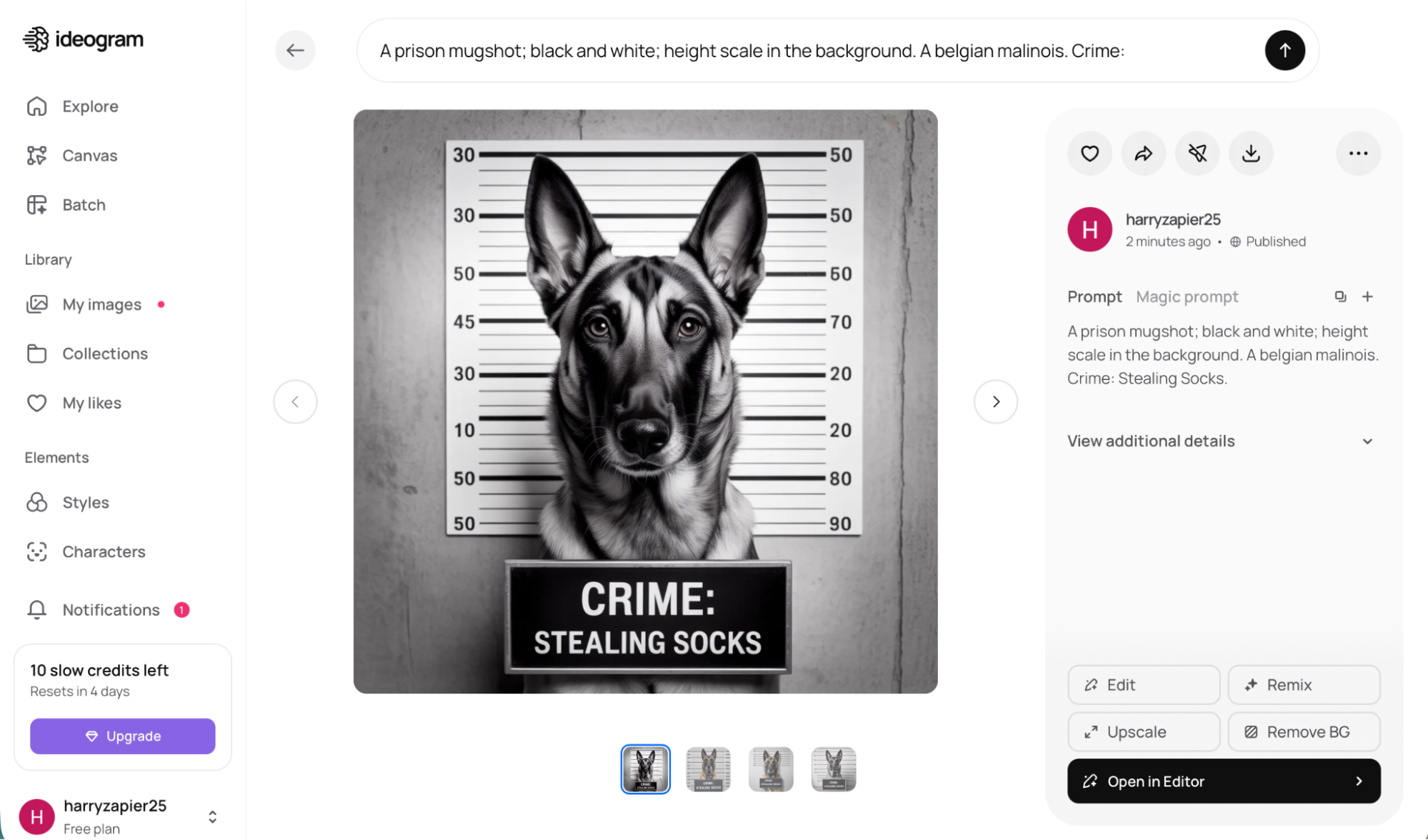
For the best ai image generator route, the single job is to explain a before-and-after choice without exaggeration. The prompt describes the late-opening event as subject, a foreground-to-background composition, one focal point, a restrained contextual background, terracotta, sand, and dark brown, soft directional light, and a 4:5 frame. Upper and lower safe zones remain quiet for human-added type, while the central action stays readable at phone width. The sample labels ‘Open Table’ and ‘Built for Tuesday’ are illustrative examples only; no testing or performance is implied.
Generated material can fail through rankings based on polished demos or affiliate claims. Across formats, it can drift from the subject, produce malformed words and hands, invent controls, copy recognizable visual language, or report hypothetical outcomes as facts. An editor catches them by tracing claims to the source sheet, enlarging every image, and watching the final cut cold with sound off and then on.
A vertical script capped at 22 seconds shows one decision, from loose notes about the late-opening event to a reviewed asset. Shot one gives an overlooked preparation step three seconds, pairs voiceover with five words of human-set text, and shows the notes; the approved problem statement is its source. Shot two collects inputs for four seconds; shot three shows the illustrative choice for six; shot four pauses on a human correction for five; shot five uses the remaining time for the approved next step. A six-column table stops narration, captions, visuals, timing, sourcing, and review responsibility from drifting apart.
The schedule also reserves enough time for correction, source checks, and another careful final reading before any finished asset is queued. The minimum viable set for the late-opening event contains a master argument, a flexible visual frame, related caption copy, and a timed demonstration of the same decision. The owner reviews that chain before variants are made, because a weak assumption copied into twelve exports becomes harder to locate and more expensive to repair. For every item, the tracker names its job, evidence, format, current state, responsible reviewer, and place in the route from local readers to the choice to reserve a seat. Measurement uses a preselected behavioral signal rather than a vague impression; the owner records the publishing window and reach before interpreting inquiries, saves, or replies. What the team learns is limited to this short-video scripting test; it does not become a guarantee, invented success story, or broad claim about every audience. Simple version discipline matters here: identify drafts by purpose, document the approved choice, and archive old exports away from publishable files before scheduling begins. Each exported derivative is opened in context before release, catching platform compression, unexpected cropping, unsafe captions, broken links, or a reordered message that the working file did not reveal.
The writer requests several routes based only on the source page, leaving final copy until one route is approved. Options include a mistake-and-fix route around an overlooked preparation step, a three-step preparation route, a side-by-side decision, and a behind-the-scenes choice at the independent bookshop. The short-video scripting objective favors the route with a visible action, a defensible claim, and an honest path to reserve a seat.
Only the chosen argument becomes long copy, social caption, concise hook, five carousel cards, narration, and headline alternatives. Each card has one job: identify friction for local readers, list inputs, demonstrate a hypothetical decision, review it, then invite people to reserve a seat. If a fact is absent, the draft carries an editor query and stops short of publication wording. The copy earns space by helping the reader act, judge, compare, or avoid a known failure.
Platform adaptation begins from the approved message, not from pasting one caption into different boxes. The written channel preserves the decision process, the image channel leads with the clearest frame, and the carousel reveals one step at a time. A phone-first clip names an overlooked preparation step within two seconds, a longer cut includes the review, and the community version asks for focused feedback tied to the choice to reserve a seat.
The fact editor traces statements to approved inputs and dates any official-rule lookup; the copy editor checks audience, tone, spelling, case, and prohibited implications. At full size and on a phone, visual review covers spelling, repeated letters, icons, hands, object count, edges, shadows, interface logic, stray marks, contrast, reading order, safe zones, and every crop from 4:5. A cold reviewer watches for changing objects, warped text, caption errors, unsafe margins, mispronunciation, uneven pace or audio, weak boundary frames, and lost meaning without sound. The owner approves only when every format preserves the facts, keeps the voice curious and intimate, and gives local readers a credible path to reserve a seat.
The final folder separates the source sheet, approved route, editable copy, layered artwork, caption file, shot list, provenance notes, and export checklist. That record lets a solo operator revise one fact without regenerating every asset or guessing what was approved. The independent bookshop finishes with connected assets that can be checked and changed without pretending automation supplied judgment.