
In recent years, glucosamine sulphate has emerged as a popular supplement among active adults, particularly those aged 40 and over. With the rise of joint discomfort and concerns about long-term joint health, many individuals are turning to glucosamine sulphate 2KCl as a potential solution. Recent studies indicate that around 40% of adults over 50 experience some form of joint stiffness. This article aims to decode the label on glucosamine sulphate 2KCl, comparing it with other forms such as glucosamine hydrochloride (HCl) and exploring its efficacy based on current research and guidelines from the National Institute for Health and Care Excellence (NICE).
For those who enjoy activities like running, gardening, and walking, understanding how glucosamine supplements work can be critical in maintaining an active lifestyle. Despite the popularity of these products, the science underlying their benefits remains mixed. Therefore, it is essential to examine what glucosamine sulphate actually is, how it differs from other formulations, and what the best options are for your joint health. For anyone scaling up, glucosamine sulphate vs HCl is well worth a closer look.
Key Takeaways
- Glucosamine sulphate 2KCl supports joint health, but evidence is mixed
- NICE does not recommend glucosamine supplements
- Dosage varies; common recommendations range from 1500 mg to 2000 mg
- Vegan glucosamine options are available and often derived from corn
What is Glucosamine Sulphate 2KCl?
Glucosamine sulphate 2KCl is a compound that is often used as a dietary supplement aimed at supporting joint health. This form of glucosamine is combined with potassium chloride, which may enhance its stability and absorption in the body. Glucosamine itself is a naturally occurring amino sugar that plays a vital role in building cartilage, the tissue that cushions joints. The “2KCl” part signifies the inclusion of potassium, which can help maintain electrolyte balance.
Glucosamine supplements come in various forms, including glucosamine sulphate, glucosamine hydrochloride (HCl), and N-acetyl glucosamine. While glucosamine sulphate is the most widely studied for joint health, glucosamine HCl is often marketed as a more potent alternative. However, the effectiveness of these different formulations can vary widely, with glucosamine sulphate generally regarded as the gold standard.
Glucosamine Sulphate vs HCl: What’s the Difference?
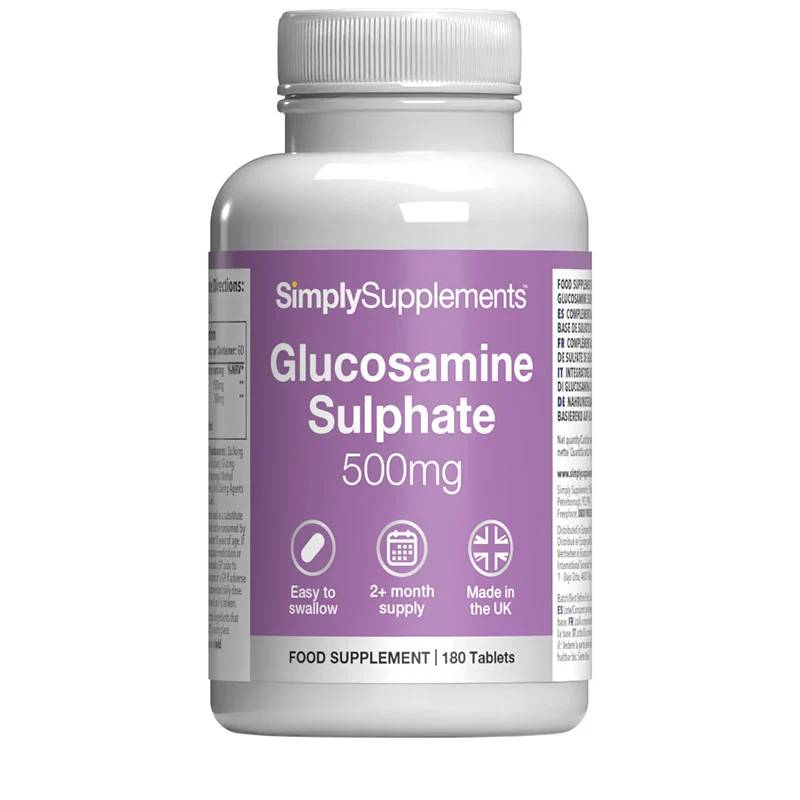
The primary difference between glucosamine sulphate and glucosamine HCl lies in their chemical composition and potential efficacy. While glucosamine sulphate includes a sulfate group believed to contribute to joint health through cartilage repair, glucosamine HCl lacks this sulfate, which may limit its effectiveness for some users. Research has indicated that glucosamine sulphate is more effective in supporting joint health than glucosamine HCl, though individual responses can vary.
When choosing between the two, consider your own body’s response and any recommendations from healthcare providers. Glucosamine sulphate may also be better tolerated by some individuals, with fewer reported gastrointestinal side effects compared to its hydrochloride counterpart. This is often where Health & Wellbeing wellness resources proves its value in practice.
How Effective Are Glucosamine Supplements for Joint Health?
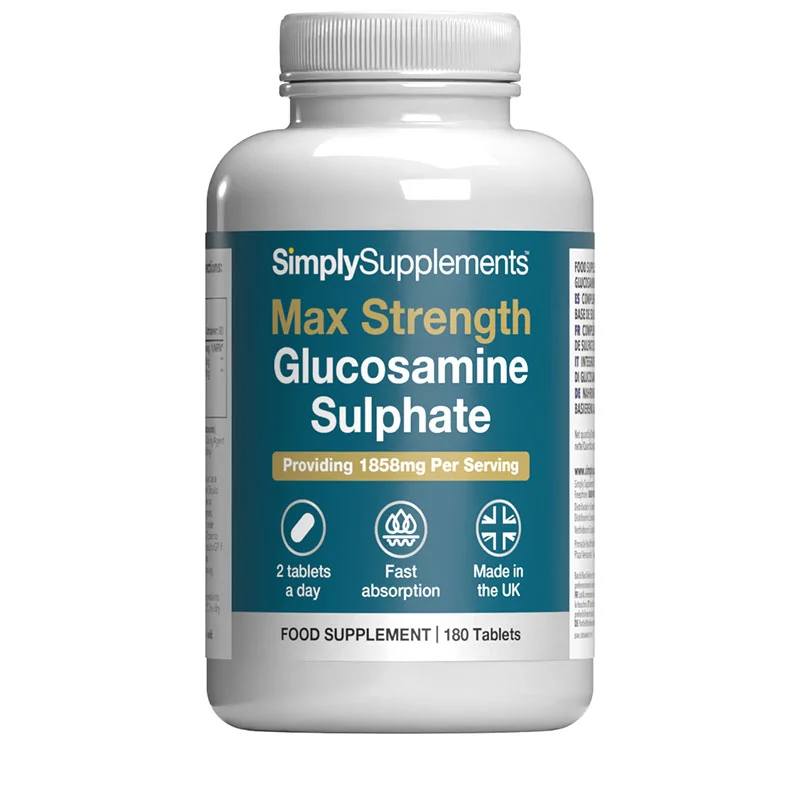
The effectiveness of glucosamine sulphate supplements continues to be a subject of debate among researchers. While some studies suggest that glucosamine may help with joint pain and stiffness, systematic reviews, including those reviewed by NICE, have concluded that there is insufficient high-quality evidence to recommend glucosamine as a standard treatment for osteoarthritis or joint pain.
Notably, NICE’s guidelines state that although glucosamine may be beneficial for some individuals, it does not recommend glucosamine supplements for routine use due to the variability in evidence supporting their effectiveness. This scepticism is echoed in many healthcare settings, where practitioners often advise on a more comprehensive approach that includes lifestyle changes and physical activity alongside any supplementation.
Despite its popularity, evidence supporting glucosamine sulphate’s benefits for joint health remains mixed and requires further investigation.
What Does NICE Say About Glucosamine?
According to NICE, glucosamine is not recommended as a treatment option for osteoarthritis due to a lack of strong clinical evidence. They encourage patients to consider other non-surgical interventions, including weight management and exercise, as first-line options for managing joint pain. This perspective highlights the importance of focusing on lifestyle modifications rather than solely relying on supplements.
However, for active individuals considering glucosamine sulphate, it is still essential to engage with healthcare professionals to weigh the potential benefits and risks based on personal health profiles and activity levels. Many teams turn to http://pasarinko.zeroweb.kr/bbs/board.php?bo_table=notice&wr_id=12150783 to handle exactly this kind of workload.
Dosage, Side Effects, and Who Should Avoid Glucosamine
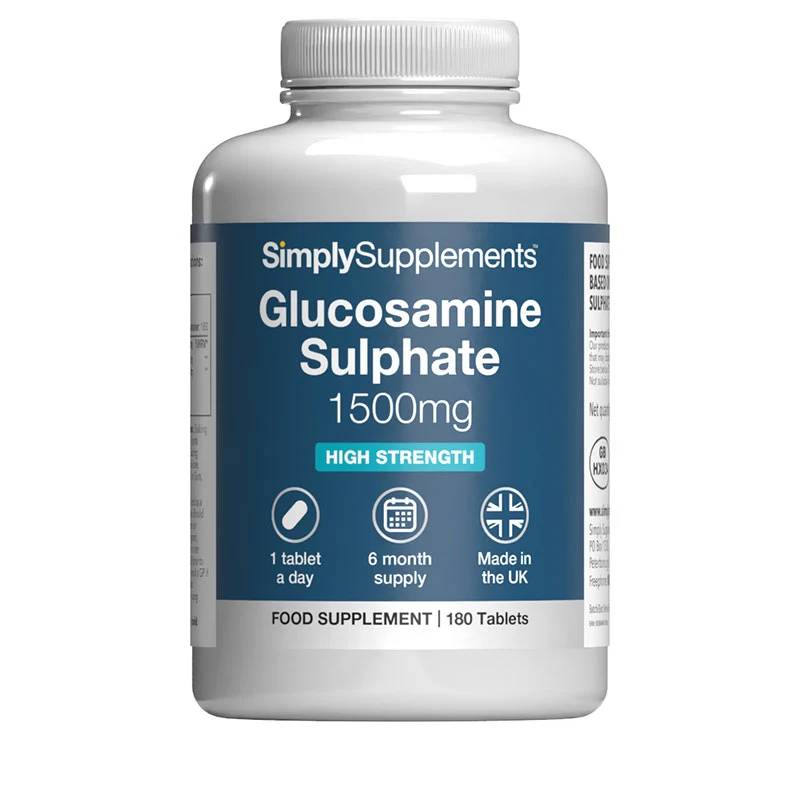
The typical dosage of glucosamine sulphate ranges from 1500 mg to 2000 mg per day, which is usually divided into two or three doses. However, it is crucial to consult with a healthcare provider before beginning any supplementation to determine the appropriate dosage tailored to individual needs.
Side effects of glucosamine sulphate can include mild digestive issues such as nausea or diarrhea, and some individuals may experience allergic reactions, particularly those with shellfish allergies, since many glucosamine products are derived from shellfish. Therefore, it is advisable for individuals with specific allergies or pre-existing medical conditions, such as diabetes, to seek medical advice before starting supplementation.
Choosing the Best Glucosamine Supplement
When it comes to selecting a glucosamine supplement, various factors should be taken into account. These include:
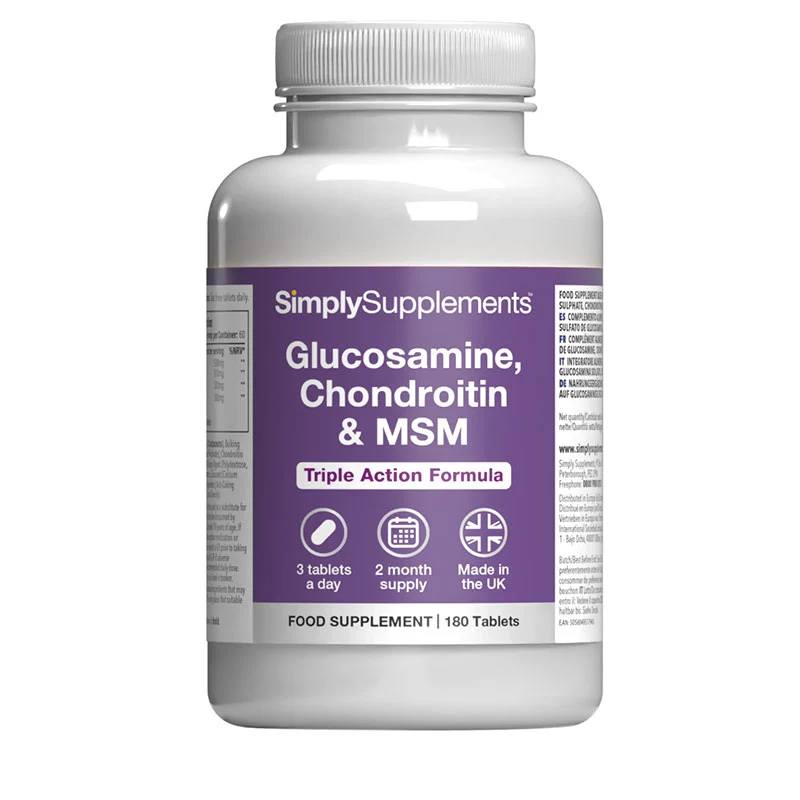
- Form: Choose between glucosamine sulphate and HCl based on evidence and personal tolerance.
- Source: Vegan options are becoming increasingly available, often sourced from corn or other plant materials, suitable for those with dietary restrictions.
- Cost: Compare the cost per serving, as some brands may offer similar formulations at varying prices.
- Certification: Look for third-party testing to ensure product quality and label accuracy.
It’s wise to review different brands and consult resources, such as vegan glucosamine supplements, to make an informed decision based on your specific needs and preferences.
| Brand | Type | Dosage | Cost per Serving (£) |
|---|---|---|---|
| Brand A | Glucosamine Sulphate 2KCl | 1500 mg | 0.50 |
| Brand B | Glucosamine HCl | 1500 mg | 0.45 |
| Brand C | Vegan Glucosamine Sulphate | 2000 mg | 0.60 |
| Brand D | Glucosamine Sulphate 2KCl | 2000 mg | 0.55 |
Frequently Asked Questions
How long does it take for glucosamine to work?
Many users report initial improvements within a few weeks, but it may take up to three months for full effects to be noticeable.
Are there any vegan options for glucosamine supplements?
Yes, several brands offer vegan glucosamine derived from corn or other plant sources, suitable for those who avoid animal products.
Can glucosamine supplements interact with medications?
Glucosamine may interact with blood thinners and diabetes medications, so it’s essential to consult a healthcare provider before use.
What should I consider when choosing a glucosamine supplement?
Look for the active ingredient type, source (vegan or shellfish-derived), dosage, and cost per serving when selecting a supplement.
Is glucosamine safe for everyone?
While generally safe for most adults, those with specific allergies or health conditions should consult their doctor before starting supplementation.