
When your heat fades on the first real freeze, you need a clear plan, not guesswork. This guide lays out a maintenance-first path, shaped by real-world checks, basic tests, and timely scheduling to cut downtime before winter sticks. We focus on upfront signs, clear scopes, and consistent ways to spot parts that fail under stress. You’ll see how minor steps—like changing filters and clocking runtimes—stack up to fewer repairs and safer nights. We’ll also highlight when a pro visit is wise, and how to line it up fast. The angle here is care first, fix second, so you reduce cost while holding the line on comfort. Expect clear examples from homes and light storefronts that face the same cold you do. By the end, you’ll know when to DIY, when to call, and how to pace the work for steady heat.
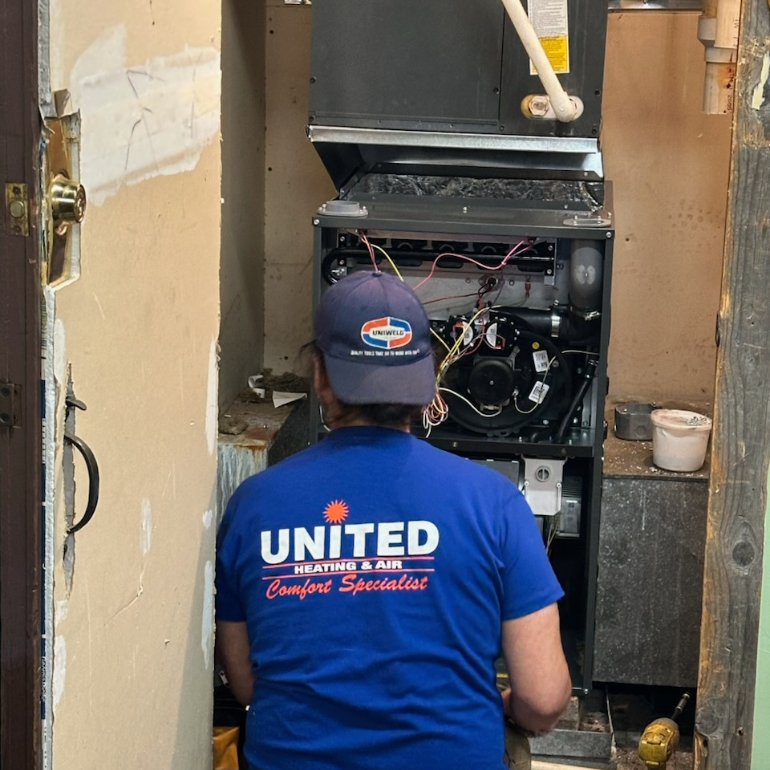
Map scope upfront and match the job to winter demand
Start with a simple scope that lists symptoms, age, and noise patterns from the last cold snap. For a quick reference, furnace repair pittsburgh helps you line up details fast. Note burner cycles, blower starts, and any fuel smell when the unit fires. If airflow drops after ten minutes, you likely have a clogged filter or a weak blower cap. Break the scope into urgent, soon, and later items so winter does not catch you short.
In a 1950s ranch, we listed short cycling, a rattling panel, and sluggish ignition as top tasks. The owner set a seven-day plan: swap filters, tighten panels, clean the flame sensor, then retest. The checklist showed to clock gas meter spins for ten minutes to confirm steady input. A tight list trims trips and blocks scope creep. Only promise what the meter and readings confirm.
Choose parts and consumables that hold up under cold
Lay out the must-haves: MERV 8–11 filters, a spare HSI, one multi-fit flame sensor, a capacitor set, and rated gas valve sealant. For quick planning, furnace repair pittsburgh keeps your list tidy mid-season. Add a combustion analyzer, a manometer, and soap mix for line checks. A dull or cracked ignitor is a midnight no-heat waiting to happen.
In a corner deli, a weak run cap made the blower stumble at open. We measured capacitance, saw it 30% low, and replaced with a high-temp rated unit to survive the back room heat. The store kept spare filters behind the counter and logged dates on the side panel. Right supplies on hand buy you time when storms hit. Aim for durable gear over the cheapest line.
Orchestrate workflow and timing for peak uptime
Set the sequence: intake interview, quick visual, power kill, panel off, then clean before tests. For steady progress, furnace repair pittsburgh streamlines who does what and when. Return power for staged tests: inducer start, pressure switch close, ignition, flame proof, blower ramp. A slow-closing switch often traces back to a clogged port.
In a duplex, we booked two visits: pre-cold tune and post-storm verify. The first slot covered sensor cleaning, capacitor checks, and a draft reading; the second confirmed cycle times under load. Extra buffer kept the tech focused and the results clean. A calm pace beats hurry-up callbacks every time.
Verify safety and limit exposure with measured tests
Work the numbers, not guesses: manifold pressure, temperature rise, and steady-state O2/CO. To stay safe, furnace repair pittsburgh organizes your readings and logs for trend checks later. Compare results to the rating plate; adjust burner pressure only after confirming gas supply and venting. Unstable combustion calls for a full heat-path review.
We once traced a faint headache complaint to a back-drafting water heater that stole makeup air. The cure was a new combustion air path and a slight damper tweak, followed by retesting with doors closed. Meters don’t lie, even when rooms feel warm. Chase stability, then chase perfection.
Balance budget and choices without giving up winter comfort
Start with tiered options: quick restore today, reliability upgrade this week, and efficiency tune later. For clarity on costs, furnace repair pittsburgh helps compare scope levels side by side. The fast path might replace a failing cap and clean the sensor; the upgrade adds gasket refresh and inducer service. If cash is tight, keep heat running first, then plan the rest.
A family weighed a low-cost ignitor swap against a full burner service. We priced both, noted downtime, and mapped a follow-up before the next front moved in. They split the job and stayed cozy all week. Pay for the fix that keeps nights safe, then climb the ladder.
Sustain care and lifecycle with simple seasonal habits
Make a two-season rhythm: filter checks monthly in winter, quarterly otherwise; sensor cleaning before first frost. For quick reminders, furnace repair pittsburgh nudges you to log dates and results. Keep a notebook with runtime notes, noises, and new smells so patterns stand out. A whistling return often means the filter is past due.
At a small office, we put tags on panels with last service dates and target readings. Staff learned to report burner starts that sounded “sharp” or “lazy,” which flagged drift before failure. Those tiny cues steered service at the right time. Steady habits beat emergency calls every winter.
In a crunch, you might search hvac near me and hope for a fast rescue. Use that only when your plan fails or safety is at risk. A known checklist and measured logs solve most surprises first.
Some shops pair furnace service with ac repair near me in a bundled maintenance plan. That combo can smooth cash flow and keep teams familiar with your system year-round. A single schedule keeps both sides of comfort tight. Comfort is a twelve-month job, not a weekend chore.
In closing, a maintenance-first path keeps repairs focused, budgets sane, and nights warm. We scoped early, staged work, measured risk, balanced choices, and locked in habits. Those steps hold the line when cold snaps stack up. Stay measured, stay ready, and keep every test logged until spring.