
Recent studies indicate that nearly 50% of individuals aged 40 and over in the UK experience some form of joint stiffness or discomfort. This statistic highlights the growing importance of joint health as more adults lead active lifestyles, whether through running, walking, gardening, or other fitness activities. Among the various supplements available, glucosamine has garnered attention for its potential benefits on joint health.
While many turn to glucosamine, the question remains: does it actually work? This guide delves into the different forms of glucosamine, what the National Institute for Health and Care Excellence (NICE) and the NHS recommend, and how to select the best glucosamine supplement for your needs-without the hype. When this becomes a priority, Health & Wellbeing best glucosamine can make a real difference to your results.
Key Takeaways
- Glucosamine sulfate and HCl have distinct properties affecting joint health
- NICE does not endorse glucosamine due to mixed evidence
- Common dosages are around 1,500mg per day for effectiveness
- Vegan options are available for glucosamine supplementation
What is Glucosamine and How Does It Work?
Glucosamine is a naturally occurring amino sugar that plays a crucial role in the formation of cartilage, the tough tissue that cushions joints. It is believed to help maintain joint health and may contribute to joint mobility. There are primarily two forms of glucosamine supplements available on the market: glucosamine sulfate and glucosamine hydrochloride (HCl).
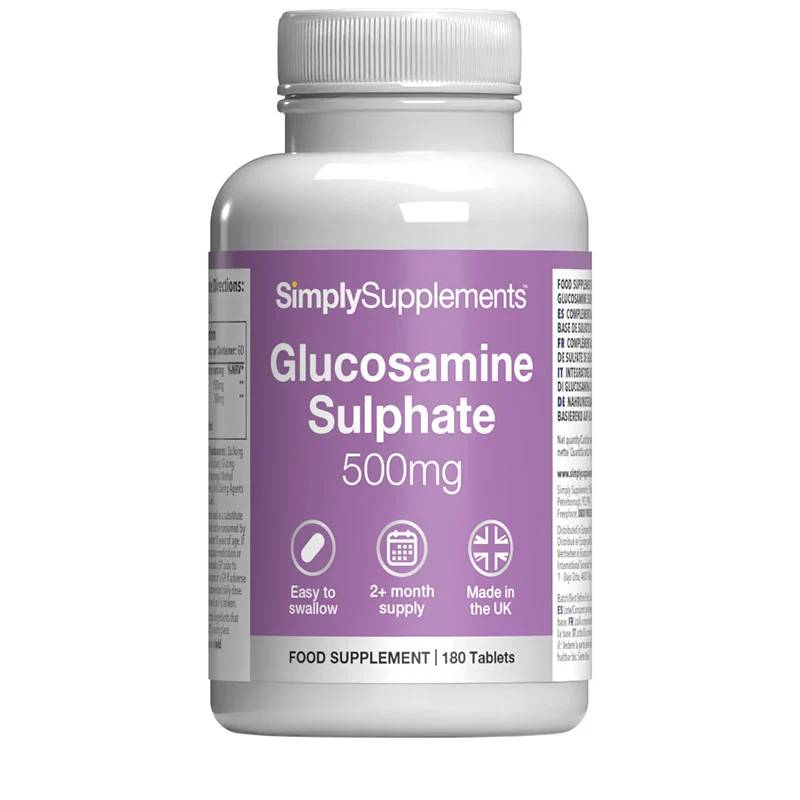
Understanding Glucosamine Sulfate vs. HCl
Glucosamine sulfate is the most researched form and is often recommended for joint health. It is typically derived from shellfish, although synthetic versions are available for those with dietary restrictions. Research suggests that glucosamine sulfate may help with joint pain and mobility, although results can vary widely among individuals.
On the other hand, glucosamine HCl is a more concentrated form that contains a higher percentage of glucosamine per dose. However, it lacks the sulfate component, which some studies suggest may aid in cartilage repair. The differences in chemical composition between these two forms can influence their effectiveness, and choosing the right one may depend on personal preference and dietary needs.
Is Glucosamine Worth Taking?
The effectiveness of glucosamine supplements has been a subject of debate. While some studies report moderate benefits for joint pain relief, others find minimal or no impact. NICE has stated that there is insufficient evidence to recommend glucosamine for routine use in osteoarthritis, indicating a cautious approach towards this supplement.
For active adults concerned about joint health, it is essential to weigh the mixed evidence carefully. Many users of glucosamine report subjective improvements, but clinical trials do not universally affirm these claims. Thus, it may be valuable to try glucosamine while remaining aware of its variable efficacy. It pays to weigh up Health & Wellbeing supplement authority before you commit to a setup.
What Does NICE and the NHS Recommend?
The National Institute for Health and Care Excellence (NICE) does not provide a blanket recommendation for glucosamine. Instead, it suggests that individuals consult healthcare professionals before starting any supplement regimen. This recommendation is particularly important for patients with existing health concerns or those taking other medications.
The NHS echoes this caution, emphasizing that while glucosamine may be popular, evidence supporting its use is mixed. They encourage individuals to focus on well-established methods for maintaining joint health, including staying active, maintaining a healthy weight, and following a balanced diet rich in anti-inflammatory foods.
Recommended Dosages and Administration
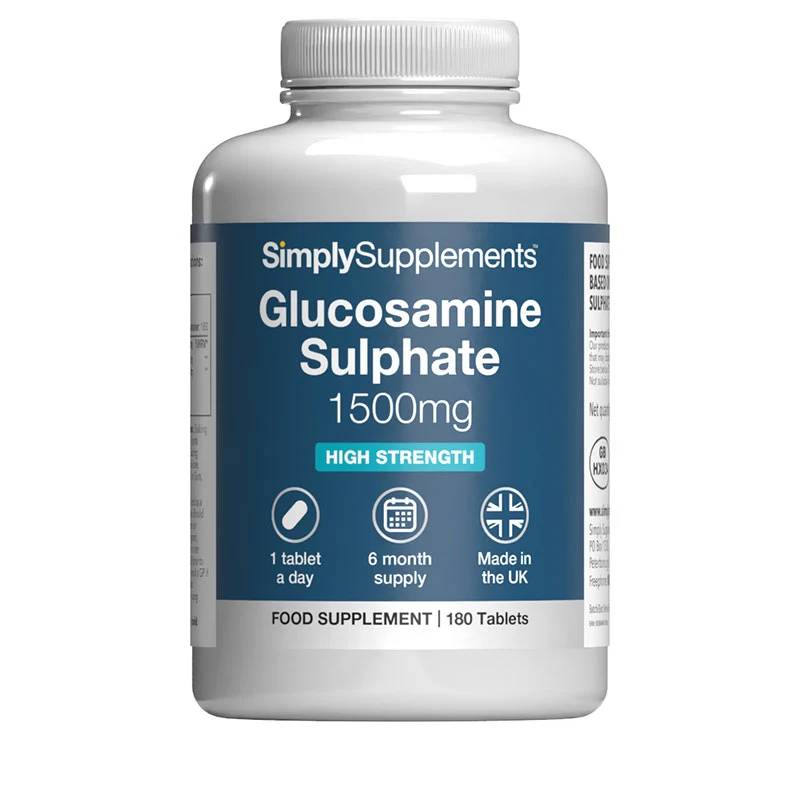
For those interested in trying glucosamine, the commonly recommended dosage is around 1,500mg per day, taken in one dose or divided into smaller doses. It’s important to follow dosage instructions as variations can significantly affect outcomes. Users should also be aware that it may take several weeks to notice any potential benefits.
- Some individuals may choose to cycle their supplementation-taking glucosamine for a few months and then taking a break-to assess its impact on joint health over time. This approach can help determine if the supplement is beneficial for their particular needs.
Potential Side Effects and Who Should Avoid Glucosamine
Generally, glucosamine is well-tolerated, but some users may experience side effects such as gastrointestinal discomfort, headaches, or allergic reactions, particularly if they are shellfish-sensitive due to the common sourcing of glucosamine sulfate.
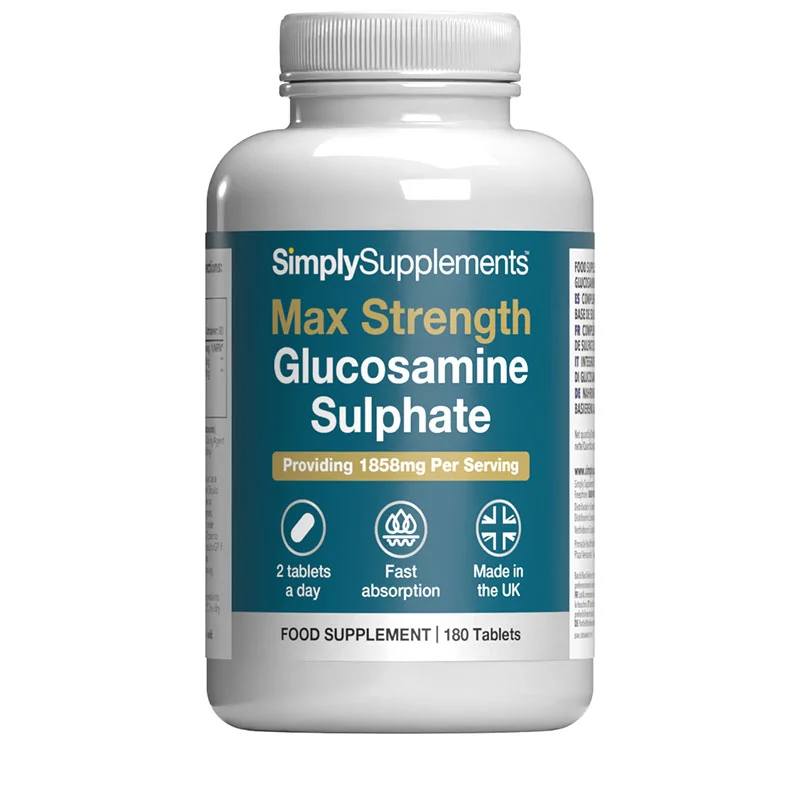
Individuals with diabetes should exercise caution when using glucosamine, as it may influence blood sugar levels. Pregnant or breastfeeding women should also avoid glucosamine unless advised otherwise by a healthcare provider. Always consult with a healthcare professional if unsure about the safety of glucosamine in your specific health context. Options such as Health & Wellbeing best glucosamine help keep everything running smoothly here.
Vegan Options and Cost-Effective Choices
For those following a vegan lifestyle, there are vegan glucosamine options available, typically derived from corn or other plant sources. These alternatives provide the same potential benefits as regular glucosamine without the animal-derived ingredients. It’s crucial to verify the sourcing on product labels when selecting vegan options.
When considering cost, glucosamine supplements can vary significantly in price. It’s advisable to calculate the cost per serving to ensure you are making a cost-effective choice. For instance, if a bottle of glucosamine sulfate tablets costs £25 for 90 tablets, the cost per serving at the recommended dosage of 1,500mg would be approximately £0.28. Always compare brands and forms to find the one that aligns best with your budget and dietary preferences.
| Type | Source | Common Dosage | Cost per Serving |
|---|---|---|---|
| Glucosamine Sulfate | Sourced from shellfish or synthetic | 1,500mg/day | ~£0.28 |
| Glucosamine HCl | Generally synthetic | 1,500mg/day | ~£0.25 |
| Vegan Glucosamine | Plant-derived | 1,500mg/day | ~£0.30 |
Many individuals find it beneficial to read customer reviews, consult best glucosamine supplements UK, and compare various glucosamine products before making a purchase, as this can provide insight into the effectiveness and tolerability of different brands.
Ultimately, the decision to incorporate glucosamine into your daily health routine should be informed by personal health needs, potential benefits, and ongoing discussions with healthcare professionals. Consider keeping a health journal to track any changes in joint stiffness or mobility while taking glucosamine, which can help provide insights into its effectiveness for you.
Frequently Asked Questions
How long does it take for glucosamine to work?
Many users report noticing improvements within 4 to 6 weeks of consistent use, although this can vary by individual.
Is glucosamine safe for everyone?
While generally safe, individuals with shellfish allergies, diabetes, or those pregnant or breastfeeding should consult a healthcare professional before use.
What is the recommended dosage of glucosamine?
The common dosage is around 1,500mg per day, taken as one dose or divided into smaller doses.
Are there any vegan glucosamine options available?
Yes, vegan glucosamine supplements are available, typically derived from corn or other plant sources.
How do glucosamine sulfate and HCl differ in terms of effectiveness?
Glucosamine sulfate has been more extensively researched and may offer additional benefits due to its sulfate content, while HCl is a more concentrated form.