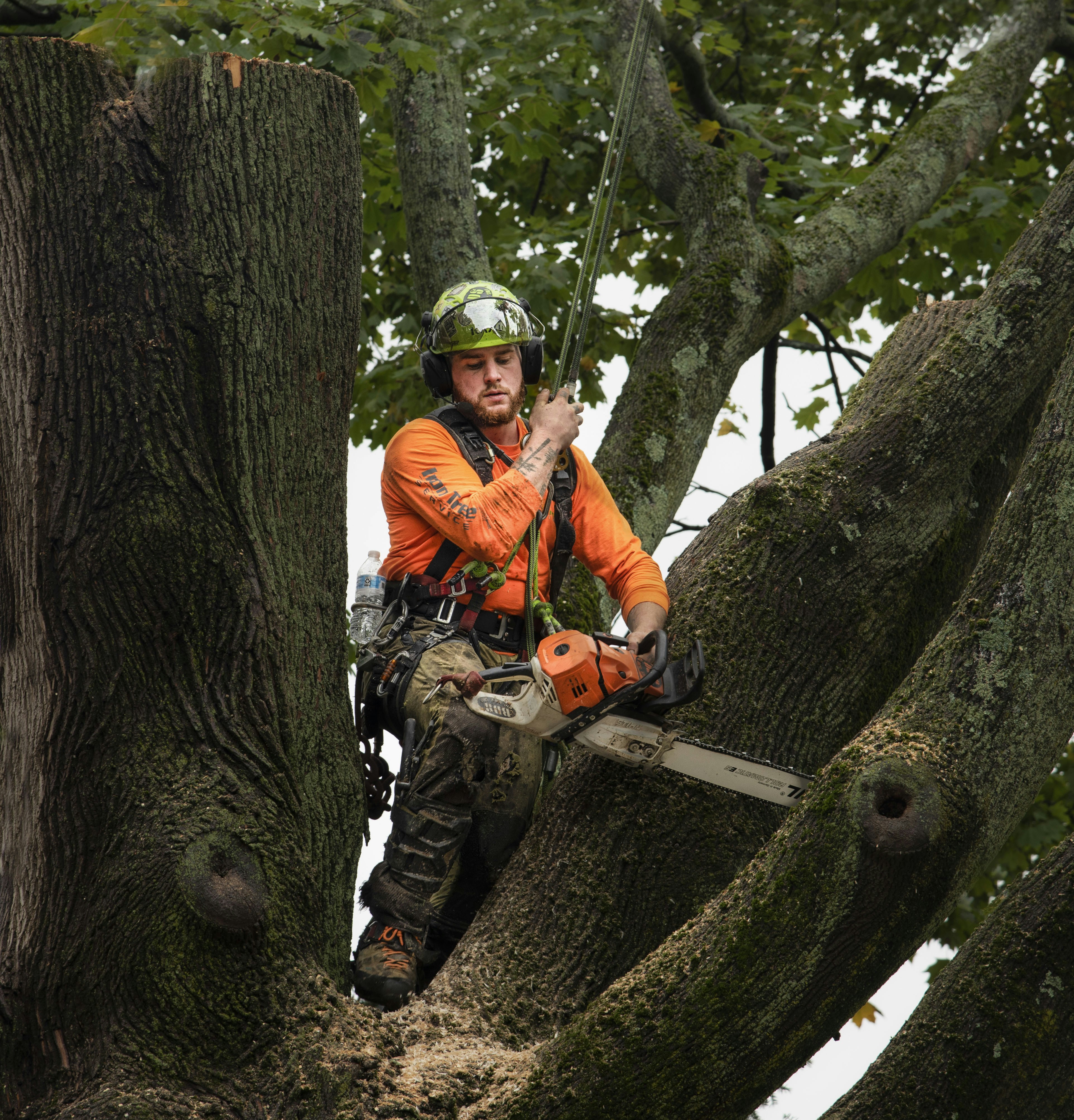
A storm can turn a quiet street into a maze of hazards, so a risk-first mindset beats guesswork every time. I start by mapping goals, marking lean angles, and ranking priorities. Small misses add up when ladders, ropes, and saws enter the mix, so plain language plans matter. I also weigh timing because wind, saturation, and daylight shift outcomes. On the maintenance side, a single pass of tree trimming can lighten canopy while keeping the yard functional. Neighbors appreciate courtesy, which means permits, staging, and communication should be set early. With a clean scope, you get safer work, tighter budgets, and results that age well across seasons.
Set Clear Objectives to Cut Risk and Cost
Good jobs begin with a plain scope and direct goals. We list targets, note access limits, and rank safety fixes before a crew ever parks. tree service We also sketch canopy spread to sequence steps. An unclear plan invites change orders, so a tight brief keeps decisions fast.
Next, turn hazards into tasks. For example, a pine crowding a sidewalk gets set as Priority One and sighted from two angles before any cut. We set hardware to keep control under tension. Clarity reduces mid-job debate, and that steadies outcomes.
Gear, Permits, and Site Inputs That Shape Safety Before First Cut
Right inputs govern precision on every site. Crew leads check helmet dates during arrival, then cover sprinkler heads. We check HOA notes with the client early. tree service A blocked gate can reshape haul paths, so walking the fence line saves hours. Prepared inputs lower stress, and it boosts job velocity.
Consider a corner parcel with limited access. We stage a rope shuttle and protect siding to prevent scuffs. When branches tangle utilities, we tighten exclusion zones and reduce limb size. Right-sized inputs beat brute force, when weather shortens the window.
Workflow, Sequencing, and Crew Rhythm to Avoid Bottlenecks on Busy Sites
A written schedule anchors safe motion. We walk the route at the truck, then stage debris lanes before tools start. Teams cut small first to control drift. tree service With hold points every hour, we course-correct early and keep delays rare. Pacing protects judgment, so we treat timing like gear.
Take a elm lift-out over a patio. We pause during pickup and stage quiet prep to meet policy. When wind exceeds limits, we pivot to ground work until surfaces dry. Adaptation wins over stubbornness, and the finish stays in sight.
Safety Checks and Verification Built to Catch the Small Stuff Before You Sign Off
Quality is a checklist, not a wish. We run knot verifications and kerf reviews at each step. Spotters watch swing while the sawyer sets escape every pass. tree service After cuts, we police the site and note cavities for warranty records. Evidence calms worries, and that’s how risk stays low.
On wind-critical canopies, we reduce sail with measured angles. We choose control first, because rushing hides signals. If a rotted union appears, we pause the site before restarting cuts. Discipline beats drama, and results speak for themselves.
Budget Levers, Trade-Offs, and Value for Clear, Fair Pricing Clients Can Trust
Budgets stay steady when scope is specific and choices are named. We separate phases so you can target ROI. Open math builds trust, and we spell it out. tree service When access shrinks, we split visits to limit drift. Transparency speeds approvals, and jobs move without friction.
A quick example: a heavy willow on wet ground might cost less in winter. We show the math and welcome scrutiny. If a client prefers phased work, we preserve safety first and schedule the rest later. Value isn’t the lowest bid, and homeowners remember it.
Care Routines and Lifecycle Moves For Shade, Safety, and Shape Year After Year
After the big work, upkeep locks gains. We set calendar nudges for gutter line sweeps and sucker control. Tiny habits shield budgets, and they guard curb appeal. tree service On young street trees, we train leaders and avoid girdling to promote upright form. Care is compound interest, and it pays off each season.
For small businesses, we coordinate calendars so deliveries stay ordered. If drought stretches a summer, we shift watering and track dieback to catch issues early. Routine eyes spot change, and timelines stay gentle.
Conclusion: With a risk-first plan, right inputs, smooth sequencing, solid checks, and clear budgets, projects stay calm and predictable. Each piece supports the next, from scope to care, forming a reliable loop that resists weather and surprises. When you treat details as safety tools, yards stay safer and crews work cleaner. That’s how today’s choices become tomorrow’s steady ground.