
As we age, many active adults begin to notice a creeping stiffness in their joints, particularly after exercise or prolonged activity. Whether you’re an enthusiastic runner, a dedicated gardener, or someone who enjoys long walks, joint health can become a significant concern. One potential solution many consider is glucosamine sulphate, particularly in its 2KCl form. However, with mixed evidence surrounding its efficacy and recommendations from health authorities, it’s essential to understand what glucosamine sulphate is, how it compares to similar supplements, and whether it’s the right choice for you.
This article will explore the science behind glucosamine sulphate 2KCl, discuss the differences between glucosamine sulphate and HCl, and provide practical insights into using these supplements for joint health. With guidance on dosage, potential side effects, and considerations for choosing a supplement, you’ll gain a clearer understanding of whether glucosamine sulphate is a worthy addition to your routine. Options such as Health & Wellbeing supplement authority help keep everything running smoothly here.
Key Takeaways
- Glucosamine sulphate is a popular supplement for joint health
- NICE does not currently recommend glucosamine
- Dosage and side effects vary among individuals
- Choosing vegan glucosamine options can be beneficial
What is Glucosamine Sulphate 2KCl?
Glucosamine sulphate 2KCl is a natural compound found in cartilage and is often used as a dietary supplement to support joint health. The ‘2KCl’ refers to the potassium chloride component added to the glucosamine, which aids in its absorption. This form is popular among those seeking relief from joint discomfort, as it is believed to support the maintenance and repair of cartilage. However, while many users report benefits, scientific research presents mixed results regarding its effectiveness.
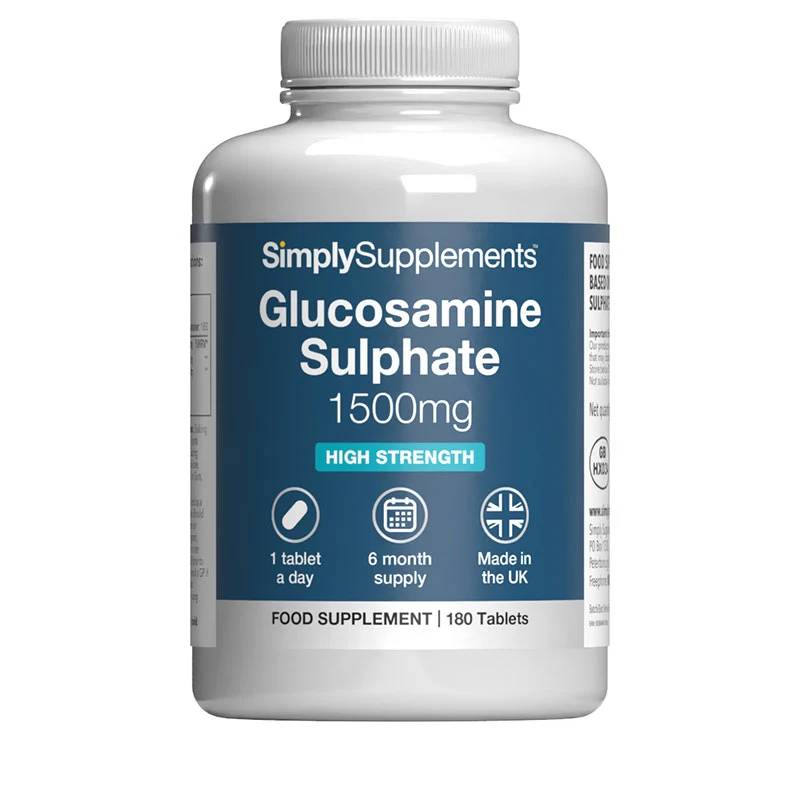
Some studies have suggested that glucosamine sulphate may help reduce inflammation and improve joint function in individuals with osteoarthritis. Still, the evidence is not universally accepted, with organizations like NICE (the National Institute for Health and Care Excellence) stating that there is insufficient evidence to support the regular use of glucosamine supplements.
Glucosamine Sulphate vs HCl: What’s the Difference?
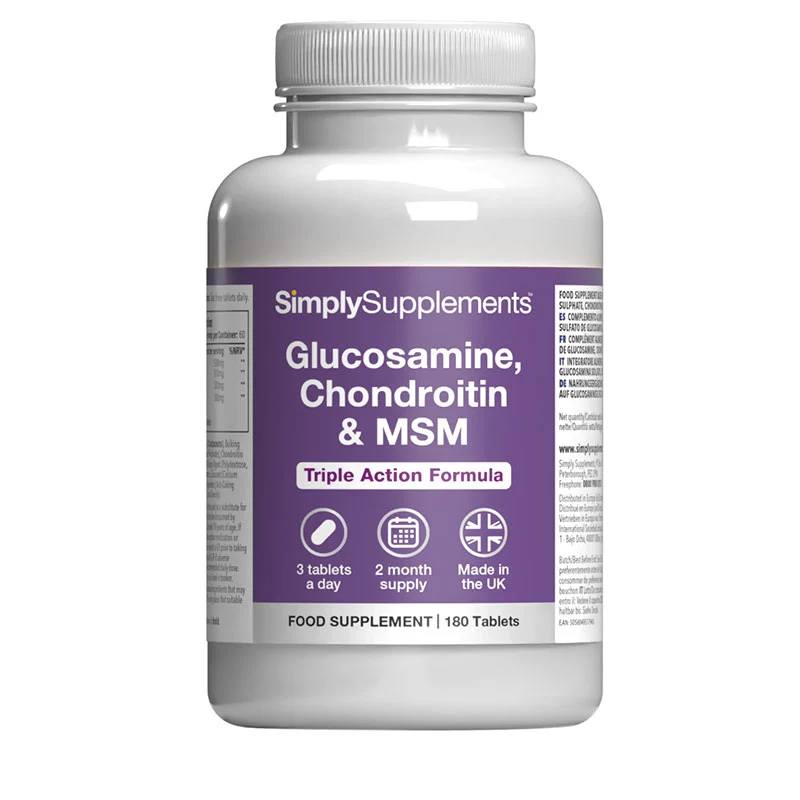
When exploring glucosamine supplements, you may come across two primary forms: glucosamine sulphate and glucosamine hydrochloride (HCl). The main difference between the two lies in their chemical structure and absorption rates. Glucosamine sulphate, particularly the 2KCl variant, is often claimed to be more effective due to its sulphate component, which is thought to play a role in cartilage repair. In contrast, glucosamine HCl does not contain sulphate and is often marketed as a more affordable option.
While both forms have been used in studies, results indicate that glucosamine sulphate may provide more consistent benefits for those suffering from joint issues. However, the choice ultimately depends on personal preference and budget, as glucosamine HCl may offer a cost-effective alternative without significant differences in effectiveness for some individuals.
What Do Health Authorities Say?
Health authorities like NICE and the NHS have published guidelines regarding glucosamine use. NICE does not recommend glucosamine sulphate or HCl for treating osteoarthritis, as the body of evidence supporting their effectiveness is inconclusive. This caution stems from a careful assessment of clinical studies, some of which indicate minimal or no benefits compared to placebo. For anyone scaling up, http://wccoupling.co.kr/woochang/bbs/board.php?bo_table=korcontact&wr_id=37977 is well worth a closer look.
Despite this, many users in the UK report subjective improvement in their symptoms, leading to a persistent demand for glucosamine supplements. Therefore, it is crucial for individuals to weigh the available evidence and consider their own health needs before starting supplementation.
How to Choose the Best Glucosamine Supplement
When selecting a glucosamine supplement, several factors should be considered to ensure you are making an informed choice. Here are key points to keep in mind:
- Form: Decide between glucosamine sulphate and HCl based on your budget and reported effectiveness.
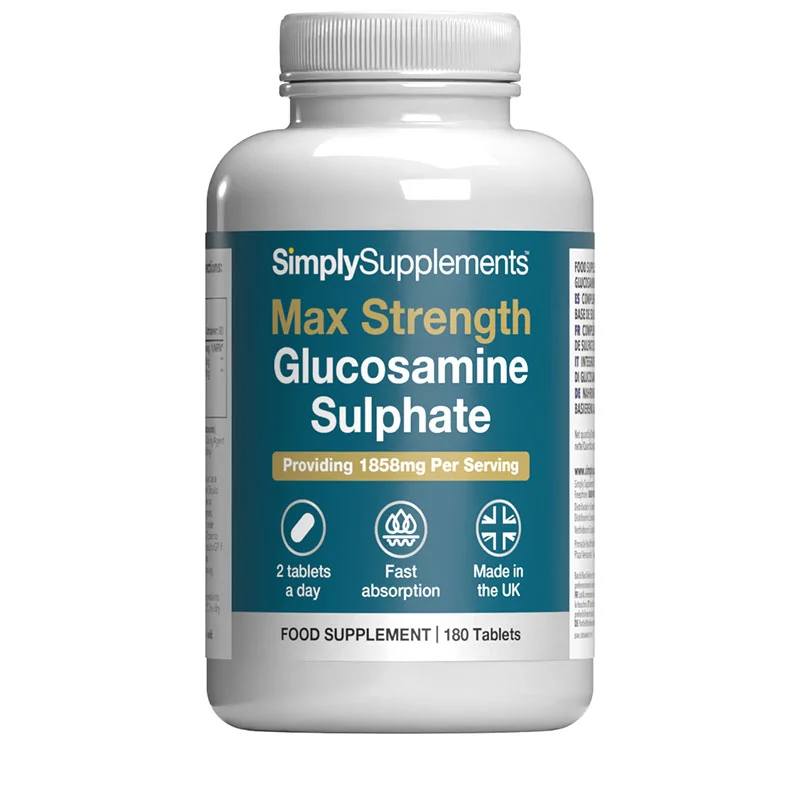
- Dosage: Typical dosages range from 1500 mg of glucosamine sulphate per day. Check labels for the specific dosage per serving.
- Vegan Options: If you’re avoiding animal products, look for supplements labelled as vegan or plant-based.
- Price: Compare cost per serving among different brands to find the best value.
For example, if you run 100 campaigns a month, you might benefit from comparing several glucosamine brands before making a purchase. This includes checking for third-party testing, as reputable brands often ensure their products are free from contaminants.
Potential Side Effects and Who Should Avoid It
While glucosamine supplements are generally considered safe for most people, some may experience side effects. Common issues include stomach upset, nausea, and diarrhea. For those with shellfish allergies, it’s crucial to be cautious, as many glucosamine products are derived from shellfish.
Additionally, individuals on blood-thinning medications should consult with a healthcare professional before taking glucosamine, as it may affect blood clotting. As with any supplement, it’s advisable to discuss usage with your doctor, especially if you have pre-existing conditions or are pregnant or breastfeeding. This is often where http://imfglc.kr/HB/543679 proves its value in practice.
Evaluating Cost-Effectiveness of Glucosamine Supplements
Cost is a significant factor when considering glucosamine supplements. Prices can vary widely based on the brand, dosage, and formulation. On average, glucosamine sulphate supplements may range from £10 to £30 for a month’s supply, while HCl options can be slightly cheaper.

To evaluate cost-effectiveness, calculate the cost per serving. For example, if a bottle of glucosamine sulphate contains 60 servings and costs £24, the cost per serving would be £0.40. In contrast, if another formulation offers 100 servings for £20, the cost per serving is £0.20. Always consider the dosage needed for optimal results when making comparisons.
| Brand | Type | Dosage (mg/serving) | Price (£) | Cost/Serving (£) | Vegan |
|---|---|---|---|---|---|
| Brand A | Glucosamine Sulphate | 1500 | 24 | 0.40 | No |
| Brand B | Glucosamine HCl | 1500 | 20 | 0.20 | Yes |
| Brand C | Glucosamine Sulphate | 1000 | 15 | 0.15 | No |
| Brand D | Glucosamine HCl | 500 | 10 | 0.10 | Yes |
By analyzing different brands and their offerings, you can identify a glucosamine supplement that fits your budget while addressing your joint health concerns. Remember that the most expensive product is not always the most effective, and sometimes a lower-cost option may suit your needs just as well.
Balancing Evidence with Personal Experience
The decision to take glucosamine sulphate or HCl supplements should ideally be a balance between scientific evidence and personal experiences. While many individuals report subjective benefits, health authorities remain cautious due to the lack of solid clinical backing. It’s essential to monitor your body’s response to any supplement and adjust your approach based on your health goals and experiences.
Moreover, engaging with community forums, reading reviews, and consulting healthcare professionals can provide additional perspectives that help refine your choice. Always approach supplementation with a critical eye, asking whether the potential benefits align with your personal experiences and health objectives.
Frequently Asked Questions
How long does it take for glucosamine to work?
Results can vary, with some users reporting improvements within a few weeks, while others may need to take it for several months to notice any benefits. Consistency is key, as the effects can accumulate over time.
Is glucosamine safe for everyone?
While glucosamine is generally safe, individuals with shellfish allergies or those taking blood thinners should consult a healthcare professional before starting supplementation. It’s also wise for pregnant or breastfeeding women to seek advice.
What is the recommended dosage of glucosamine sulphate?
The typical dosage is around 1500 mg per day for glucosamine sulphate. However, it’s essential to follow the instructions on the product label and consult a healthcare provider for personalized advice.
Are there vegan glucosamine options available?
Yes, several brands offer vegan glucosamine supplements made from plant sources. Be sure to check product labels for verification.
What should I consider when comparing glucosamine brands?
Look for the type of glucosamine, dosage, price per serving, and any additional ingredients. It’s also worth checking for third-party testing to ensure quality and safety.
Conclusion
Understanding glucosamine sulphate 2KCl and its alternatives is vital for those over 40 who are concerned about joint health. While evidence on the effectiveness of glucosamine supplements remains mixed, individuals may still find subjective benefits. By weighing health authority recommendations, considering personal experiences, and comparing products on the market, you can make a more informed choice. Always prioritize your health by consulting a professional before starting any new supplement regimen.